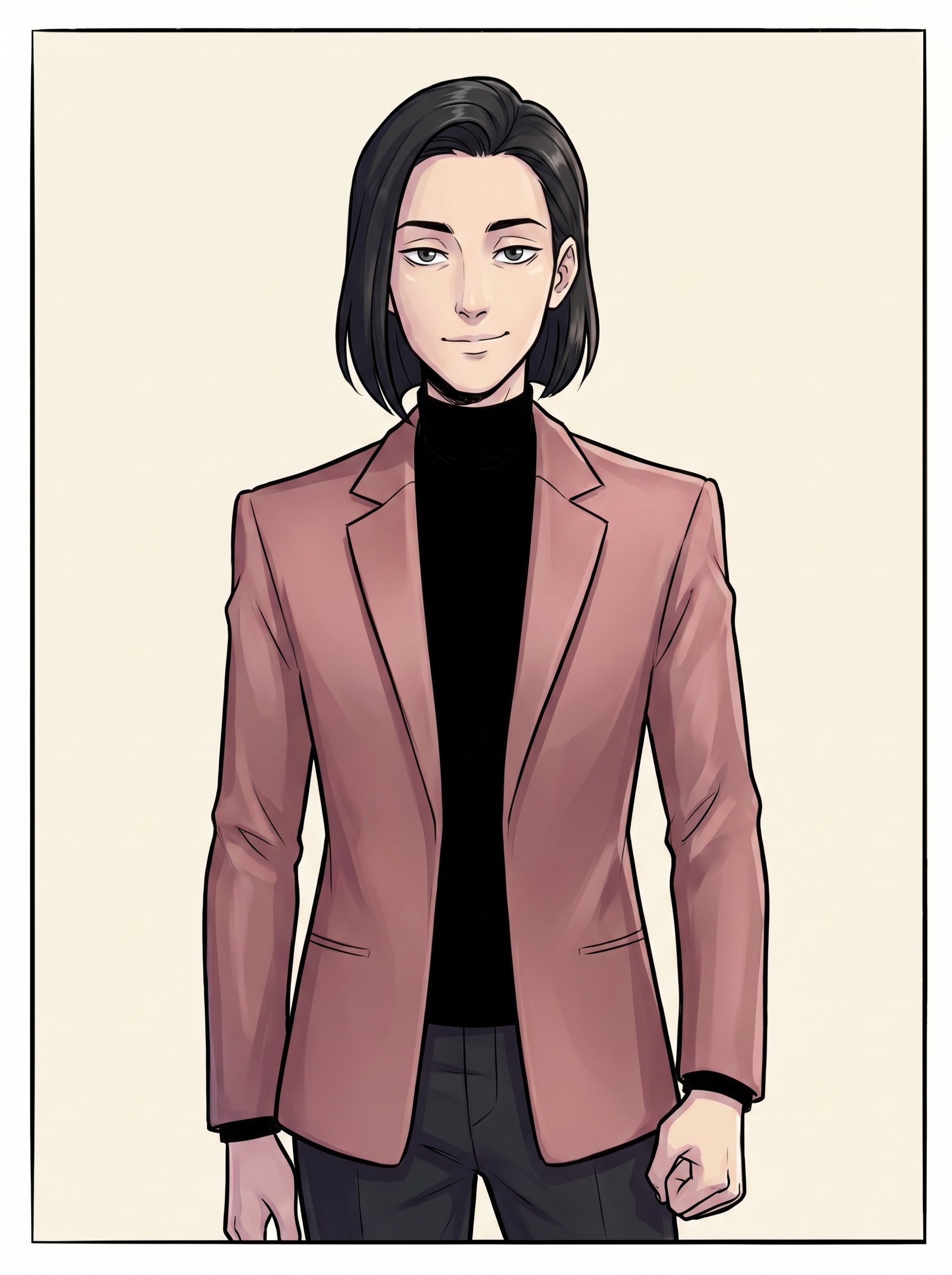
Soft Power
Never mistake their softness for weakness
Профіль вимірів чарівності
Баланс вимірів типу Soft Power за всіма 8 осями чарівності
Your Core Charm
You change minds without raising your voice. While others push, you persuade. While others demand, you invite. Your influence operates so subtly that people often don't realize they've been moved until long after the conversation ended.
What People Feel First
Underestimated. Then surprised. People see gentleness and assume softness. But underneath is a quiet force that outlasts the loudest people in the room. You don't fight for attention. You earn authority through patience.
In Relationships
You make your partner better without them noticing. A suggestion here, encouragement there. By the time they've grown, they think they did it alone. You let them believe that. That's how generous your love is.
The Side You Hide
Being mistaken for weak builds resentment over time. You swallow frustration, compromise again, and stay quiet one more time. But there's a limit. When you finally speak up, people are shocked because they never saw it coming. The quietest anger is the deepest.
Your Signature Move
Changing someone's mind without them realizing it. They think it was their idea. You let them.
What is a Soft Power?
Soft Power is one of 16 Glowtype charm types, belonging to the Balanced Glow group. This type is defined by an exceptionally high Trust score (85) paired with strong Intelligence (65) and moderate Approachability (55). Visual Appeal (25), Charisma (25), Humor (20), Style (30), and First Impression (50) all sit in the lower range. The result is a person whose influence operates almost invisibly — they do not command a room, but somehow the room follows their lead.
What sets Soft Power apart from other types is the mechanism of their influence. They do not persuade through volume, charisma, or spectacle. They persuade through the accumulated weight of being consistently right, consistently fair, and consistently reliable. Their Trust score of 85 means people believe them before they even finish speaking. Their Intelligence of 65 means that trust is well-placed — they have usually thought things through more carefully than anyone else in the conversation.
In the 8-dimension Glow Octagon, Soft Power displays a profile that peaks sharply on the Trust axis with a secondary elevation on Intelligence, while everything else remains understated. This creates a silhouette that resembles a shield — broad on the protective dimensions, narrow on the performative ones. It is no accident that the types who naturally trust Soft Power do so precisely because Soft Power never asks to be trusted. The absence of self-promotion is itself the proof.
The Balanced Glow group placement reflects how Soft Power creates equilibrium through depth rather than breadth. Where other Balanced types achieve harmony through aesthetic consistency or humor, Soft Power achieves it through moral and intellectual gravity. People feel steady around them because Soft Power is steady — not performing steadiness, but genuinely embodying it.
Key Strengths
Unshakeable Credibility
With Trust at 85, the Soft Power type possesses the kind of credibility that cannot be manufactured. People confide in them naturally. When they vouch for someone, that endorsement carries real weight. When they raise a concern, people take it seriously precisely because they so rarely raise alarms without cause. This earned trust is their most valuable currency — it compounds over time like interest, making them more influential with each passing year rather than less.
Quiet Strategic Thinking
Intelligence at 65 combined with low Charisma (25) creates a distinctive pattern: the Soft Power type thinks deeply but presents ideas modestly. They are not the person pitching boldly in the meeting — they are the person whose quiet suggestion after the meeting ends up being the strategy everyone adopts. Their ideas gain traction not through showmanship but through the slow realization among peers that the Soft Power was right all along.
Calming Influence
The combination of high Trust, moderate Approachability (55), and low performative dimensions means the Soft Power type radiates stability without demanding attention. In crisis situations, they become the person everyone turns to — not because they are the most vocal, but because their calmness is contagious. They do not escalate. They do not dramatize. They assess, they advise, and they act. This grounding presence is especially valuable in high-pressure environments where emotional regulation is the scarcest resource.
Principled Influence
Soft Power does not bend to social pressure. Their influence comes from principles consistently applied, not from people-pleasing or political maneuvering. When they disagree, they do so with data and reasoning, delivered without aggression. This makes their disagreement particularly impactful — people know that if the Soft Power pushes back, there is a genuine reason worth hearing. Over time, this principled consistency builds an almost unassailable personal reputation.
Growth Areas
Making Strength Visible
The Soft Power's greatest paradox is that their strength is so quiet it sometimes goes unrecognized. With Charisma at 25 and Visual Appeal at 25, they rarely self-promote or make their contributions visible. The growth opportunity is learning that visibility is not vanity — it is necessary for their ideas to reach the people who need them. Speaking up in meetings, documenting contributions, and accepting credit when deserved are not departures from humility; they are expressions of responsibility.
Embracing Emotional Expression
Soft Power types tend to process emotions internally and present a composed exterior. While this stability is their strength, it can also create distance in personal relationships where emotional openness is expected. The growth edge is learning that showing emotion — excitement, frustration, joy, sadness — does not undermine credibility. Partners and close friends need to see the human behind the steadiness. A Soft Power who can be both principled and emotionally present becomes profoundly compelling.
Taking the Lead More Often
Soft Power naturally gravitates toward advisory and support roles rather than spotlight positions. While their behind-the-scenes influence is powerful, there are situations that genuinely need them at the front. The growth opportunity is recognizing that their combination of Trust and Intelligence makes them the most credible kind of leader — the kind people follow because they believe in them, not because of title or authority. Stepping forward when it matters does not compromise their soft approach; it fulfills its highest potential.
In the Workplace
In professional settings, Soft Power types are the organizational backbone that rarely gets credited on stage. They excel in roles requiring deep expertise, careful judgment, and stakeholder trust: compliance, risk management, quality assurance, research, counseling, HR mediation, and senior advisory positions. Their Intelligence (65) ensures sound analysis while their Trust (85) ensures people actually follow through on their recommendations.
Soft Power types perform best in environments where results matter more than presentation — research labs, legal teams, healthcare, education, and mission-driven organizations. They are not energized by pitch competitions or flashy launches but by the satisfaction of getting things right. Their ideal role involves being consulted regularly by decision-makers who have learned to trust their judgment over time.
The career challenge for Soft Power is promotion in visibility-driven cultures. In organizations that reward self-promotion and charismatic presentation, the Soft Power type may plateau despite being the most competent person in the room. The strategic response is not to become someone they are not but to find advocates — leaders who recognize their value and speak on their behalf. Soft Power types who build relationships with visible champions find that their quiet influence reaches further than they ever could alone.
They are also exceptional mentors and coaches. Their combination of patience, principled thinking, and genuine care for others' development makes them the kind of guide people remember decades later as the person who quietly changed the trajectory of their career.
A Day in the Life
A Soft Power's daily life is structured around dependability rather than excitement. Their morning routine is consistent — not because they are rigid, but because they have optimized for what works. They are the friend who always shows up on time, remembers your preferences, and follows through on promises without needing to be reminded.
In group settings, the Soft Power gravitates toward meaningful one-on-one conversations rather than commanding the center of attention. They are not the loudest at the dinner table, but if you pay attention, you notice that the group's decisions somehow align with what they quietly suggested twenty minutes ago. Their influence is like gravity — invisible but inescapable.
Their home reflects function over flair. Everything has a reason for being there, even if it does not photograph well. Their bookshelf reveals the Intelligence dimension — it is stocked with nonfiction, long-form journalism, or whatever subject they have been quietly mastering. Their phone has fewer apps than most people because they deleted the ones that wasted their time.
The Soft Power's social life is small but deep. They have fewer friends than the average person but those friendships are the kind that survive decades. When someone in their circle faces a crisis, the Soft Power does not post sympathy on social media — they show up with a plan.
The Archetype in Culture
The Soft Power archetype appears in stories as the advisor who quietly steers the outcome from behind the throne. They are not the protagonist swinging the sword — they are the one who suggested the strategy that made the sword unnecessary. In ensemble narratives, they are the character whose absence collapses the group's decision-making, revealing how much everyone depended on their quiet guidance.
In political and historical fiction, Soft Power maps to the trusted counsel — the figure who has no formal power but whose opinion shapes policy because the people in charge have learned the hard way that ignoring them leads to failure. In family sagas, they are the matriarch or patriarch whose authority comes not from volume but from the accumulated respect of a lifetime of being right when it mattered.
The archetype connects to the "wise counselor" across cultures — the village elder, the trusted teacher, the senior who never sought the title but earned it through decades of principled living. What makes this archetype enduring is its truth: in every system, the most sustainable influence belongs not to the loudest voice but to the most trusted one.
Frequently Asked Questions
What makes Soft Power different from other Balanced Glow types?▾
Balanced Glow types all create charm through equilibrium, but their methods differ fundamentally. The Natural Luminary balances through effortless aesthetics (Visual 85, Style 85). The Playful Spirit balances through overwhelming humor (95). Soft Power is unique because their balance comes from internal dimensions — Trust (85) and Intelligence (65) — rather than any outwardly visible trait. They are the only Balanced type whose strength is almost entirely invisible on first meeting, revealing itself only through sustained interaction. This makes them the slowest to impress but the hardest to forget.
Can my Glowtype change over time?▾
Your core Glowtype reflects your dominant charm pattern, but the 8-dimension profile can evolve with experience. A Soft Power who develops stronger Charisma and public presence may see those scores increase, potentially shifting toward a Warm Intellectual or even Sharp Leader type. Conversely, high-Charisma types who learn patience and principled consistency may find themselves moving toward Soft Power. The quiz captures your current profile — retaking it after major life changes can reveal how your charm signature has matured.
Who is the best romantic match for a Soft Power?▾
Soft Power's signature chemistry pairing is with the Sharp Leader, forming a Tension reaction — "the leader who can never win against them." The Sharp Leader's commanding presence meets the Soft Power's immovable principles, creating a dynamic where the leader's force bends around the Soft Power's quiet resolve. Other strong pairings include the Gentle Guardian (shared Trust-based values) and the Warm Intellectual (complementary depth and emotional warmth). High-energy types like Social Spark can be stimulating but may require patience to bridge the temperament gap.
Is being a Soft Power a good thing?▾
Every Glowtype has distinct strengths and growth areas — there is no objectively superior type. The Soft Power's gift is the ability to build lasting influence through trust and principled consistency at a depth few other types achieve. Their challenge is ensuring that quiet strength becomes visible enough to reach its full potential. The most fulfilled Soft Powers understand that their gentleness is not weakness — it is a different kind of power, one that outlasts louder forms of influence because it is rooted in substance rather than performance.
How accurate is the Glowtype quiz for identifying Soft Power?▾
The Glowtype quiz uses nearest-centroid classification across 8 dimensions based on responses to 12 carefully designed questions. The Soft Power centroid requires a specific combination: very high Trust (85), elevated Intelligence (65), moderate Approachability (55), and low scores across Visual, Charisma, Humor, and Style dimensions. If your responses consistently demonstrate reliability-oriented values over performative ones, the classification is robust. For the most accurate result, answer based on how you actually behave in everyday situations rather than how you act in high-stakes moments.
Фірмова хімія
Твоя найпомітніша хімічна пара
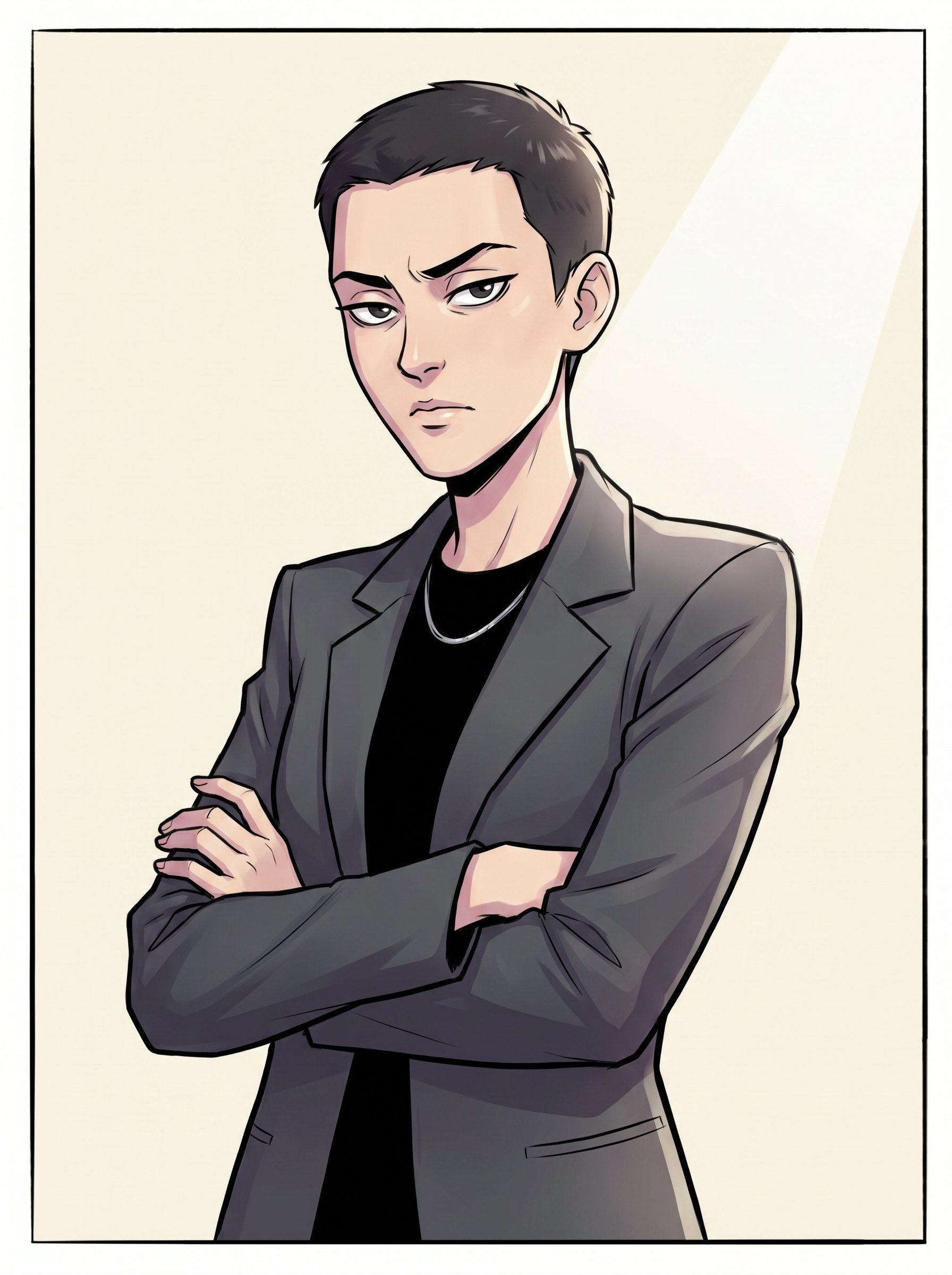
Інші типи Balanced Glow
Типи з такою ж енергією сяйва
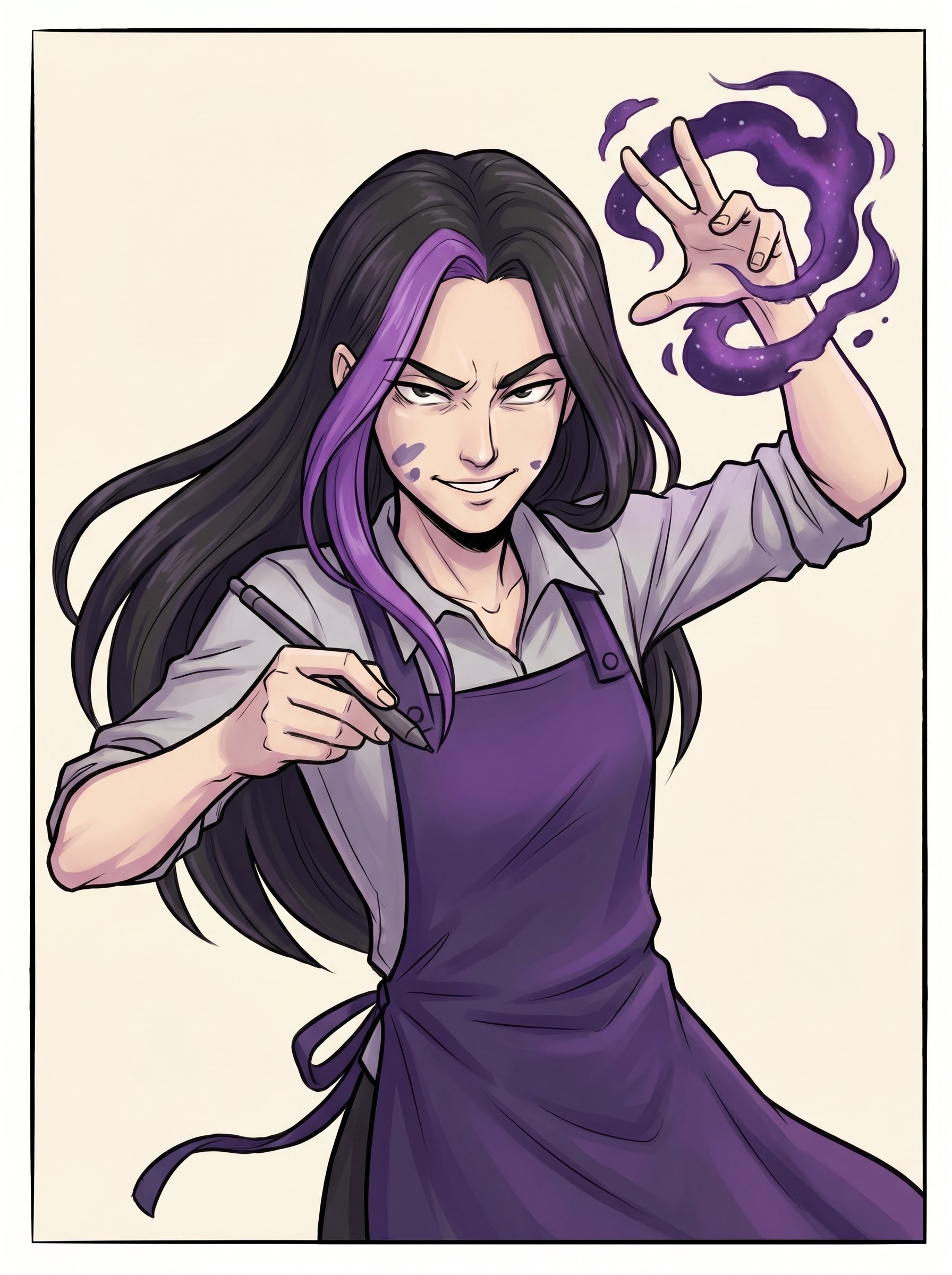

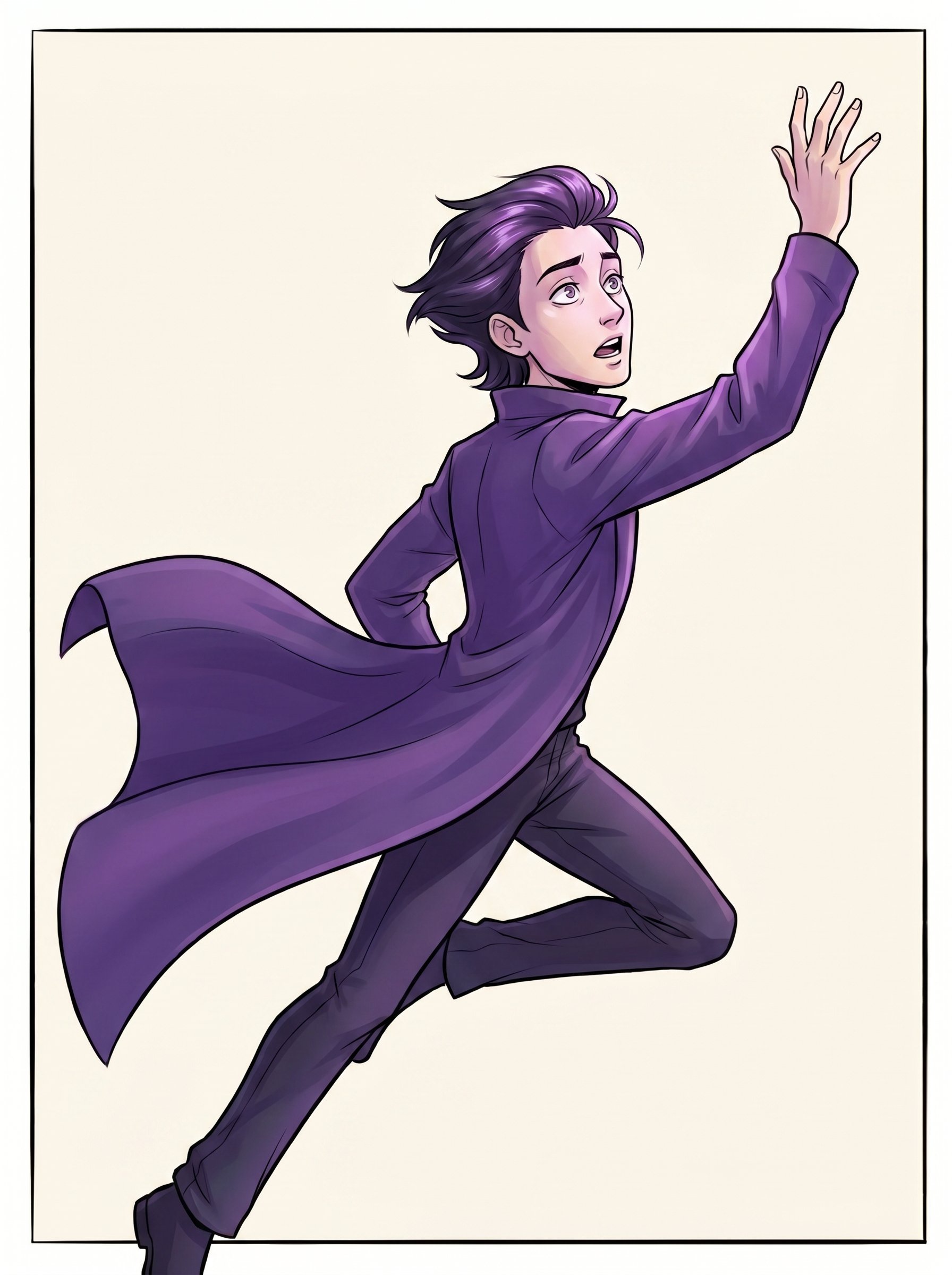

Explore Other Types
Можливо це твій тип?
Пройди аналіз чарівності з 12 запитань і дізнайся свій Glowtype
Пройти тест